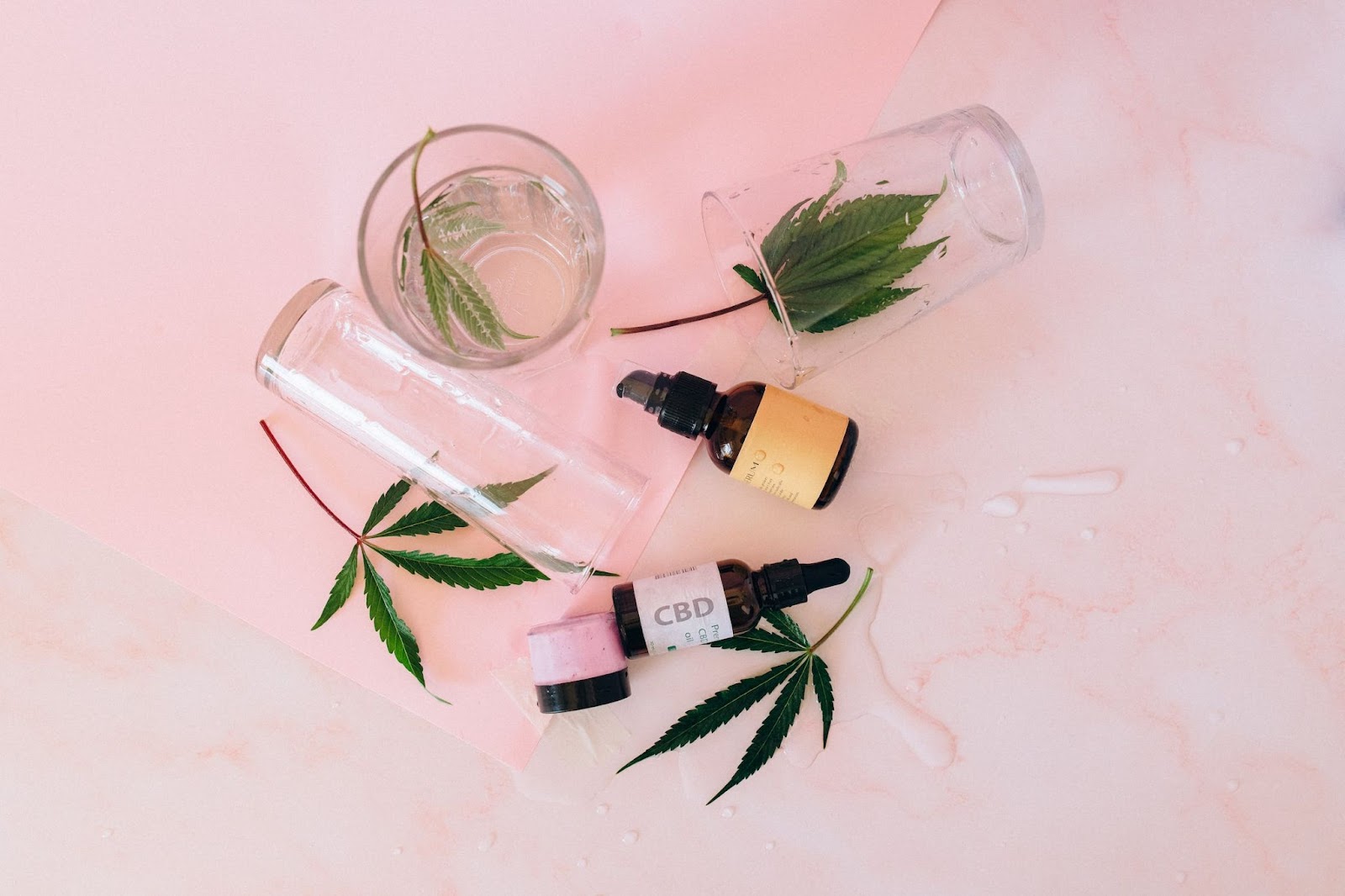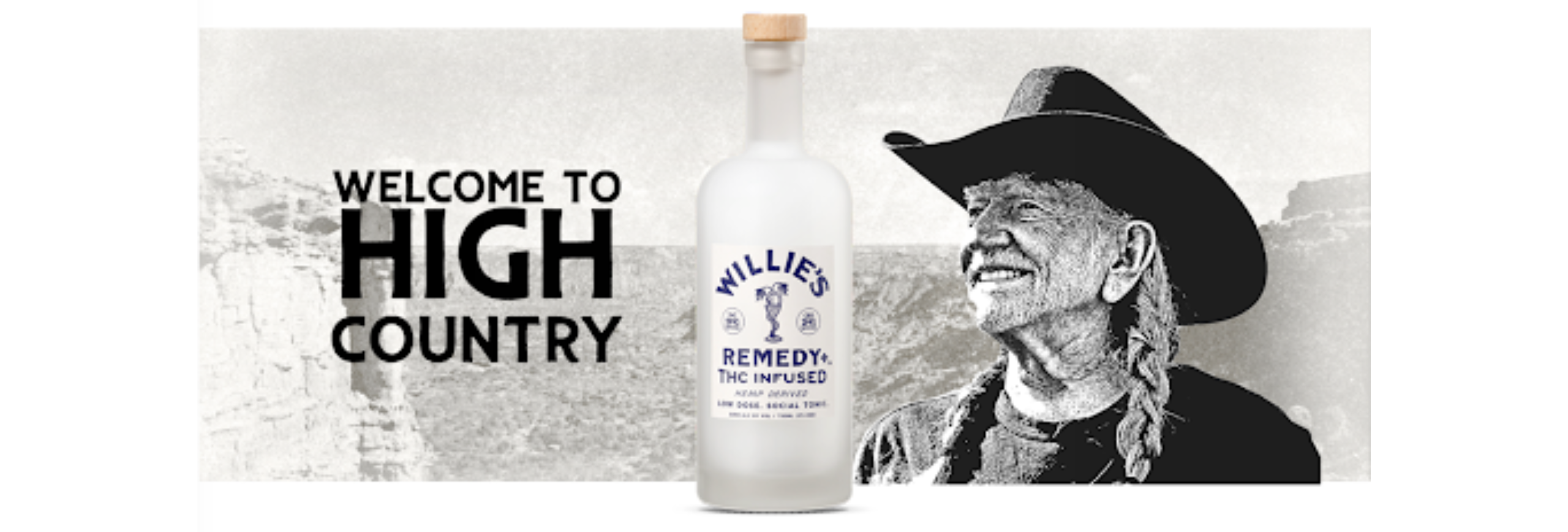

Willie Nelson has spent decades normalizing cannabis in plain sight—onstage, offstage, and everywhere in between. Now he’s helping reshape how people consume it: not with smoke, but with a glass, a garnish, and a measured pour.
Willie’s newest “outlaw move” is… surprisingly social
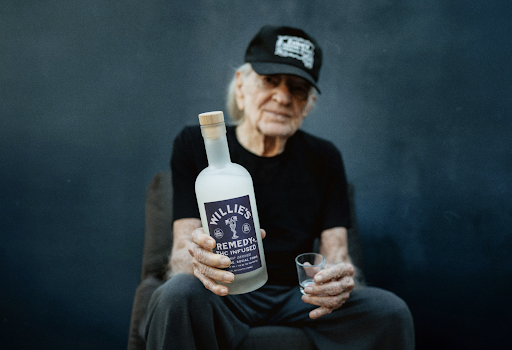
There’s a reason Willie Nelson’s cannabis ventures land differently than the average celebrity launch. His relationship with the plant isn’t a marketing angle—it’s part of his public identity. But what’s new is the format: Willie’s Remedy+, a line of hemp-derived, non-alcoholic THC beverages and “social tonics” created through a partnership between Willie Nelson (via Long Play, Inc.) and JuneShine Brands.
The timing is perfect. Social culture is shifting. People aren’t necessarily trying to be “dry.” They’re trying to be clear tomorrow. The vibe is less “let’s get after it” and more “let’s hang—and still feel human in the morning.”
In that world, THC beverages aren’t a novelty. They’re a new kind of nightcap: familiar rituals (cans, cocktails, cheers) with a different next-day cost profile.
Why drinks, not smoke?
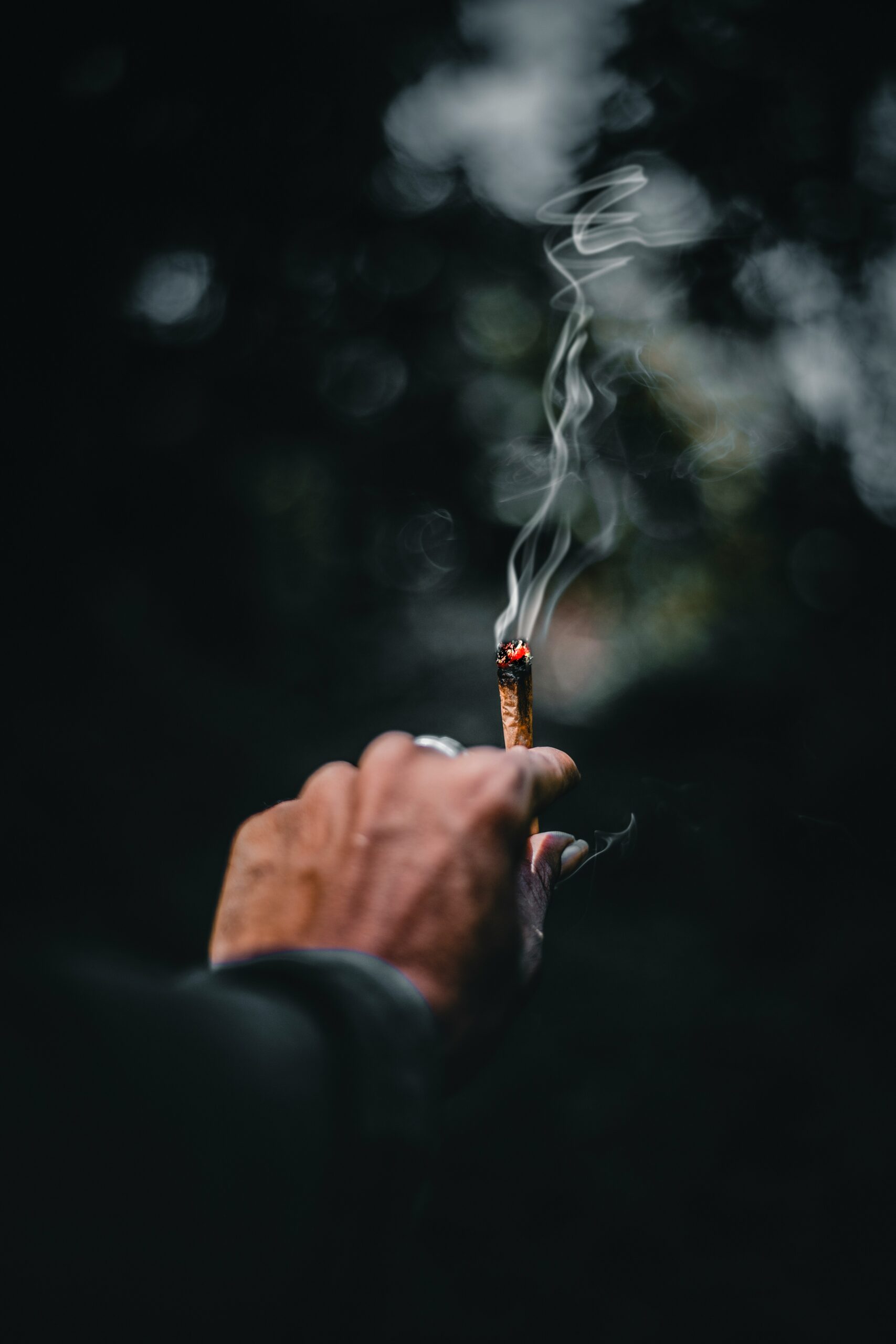
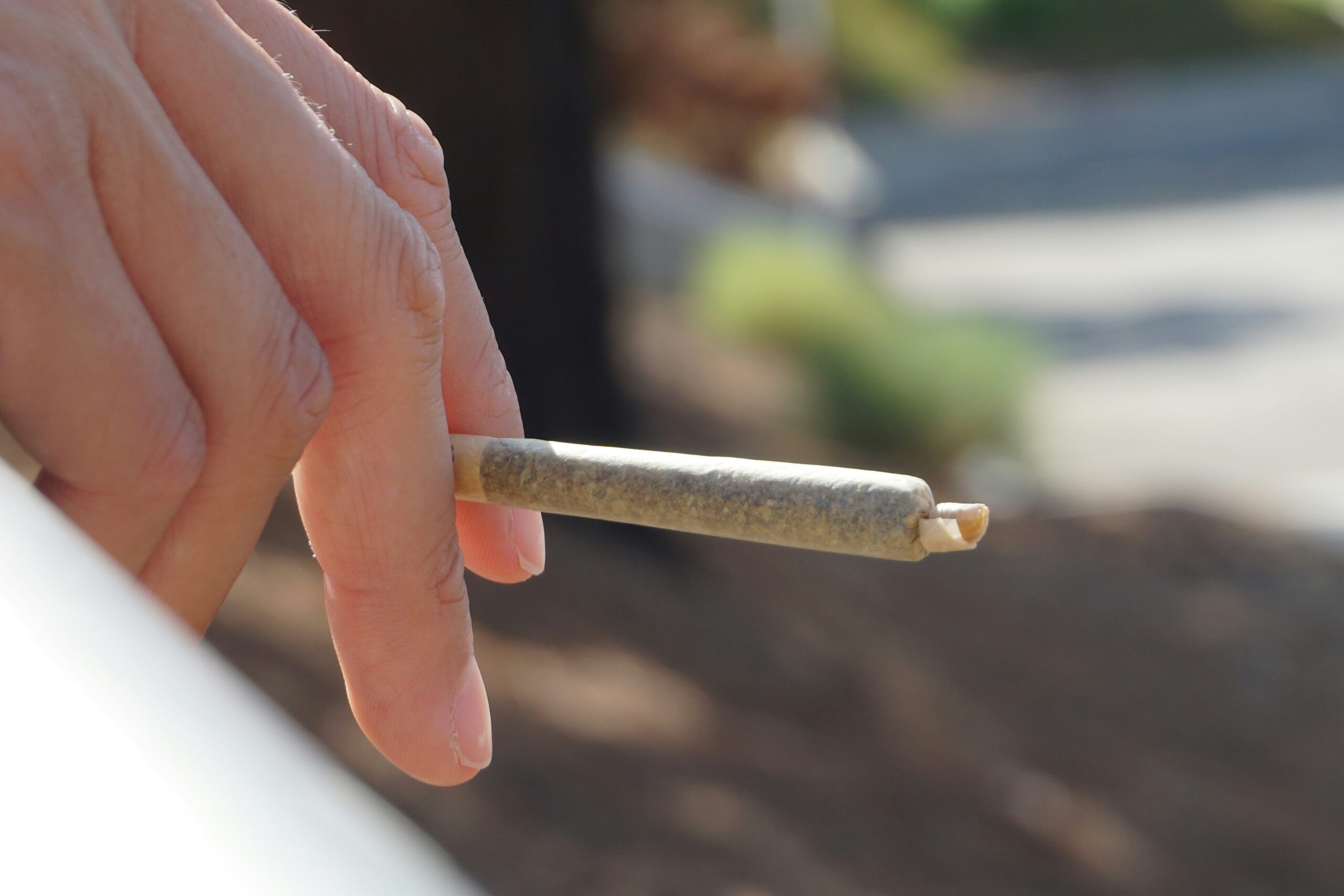
For Willie Nelson, the pivot away from smoke is also personal. In 2019, he discussed quitting smoking and said, “I have abused my lungs quite a bit… so breathing is a little more difficult these days.”
That context matters because it makes the beverage format feel less like a trend-chase and more like a continuation—same ethos, different delivery. A drink is also inherently more shareable in mixed company: it fits dinner parties, concerts, backyard hangs, and the growing category of “I’m not drinking tonight, but I’m not going home.”
The line: a can for the crowd, a pour for the ritual
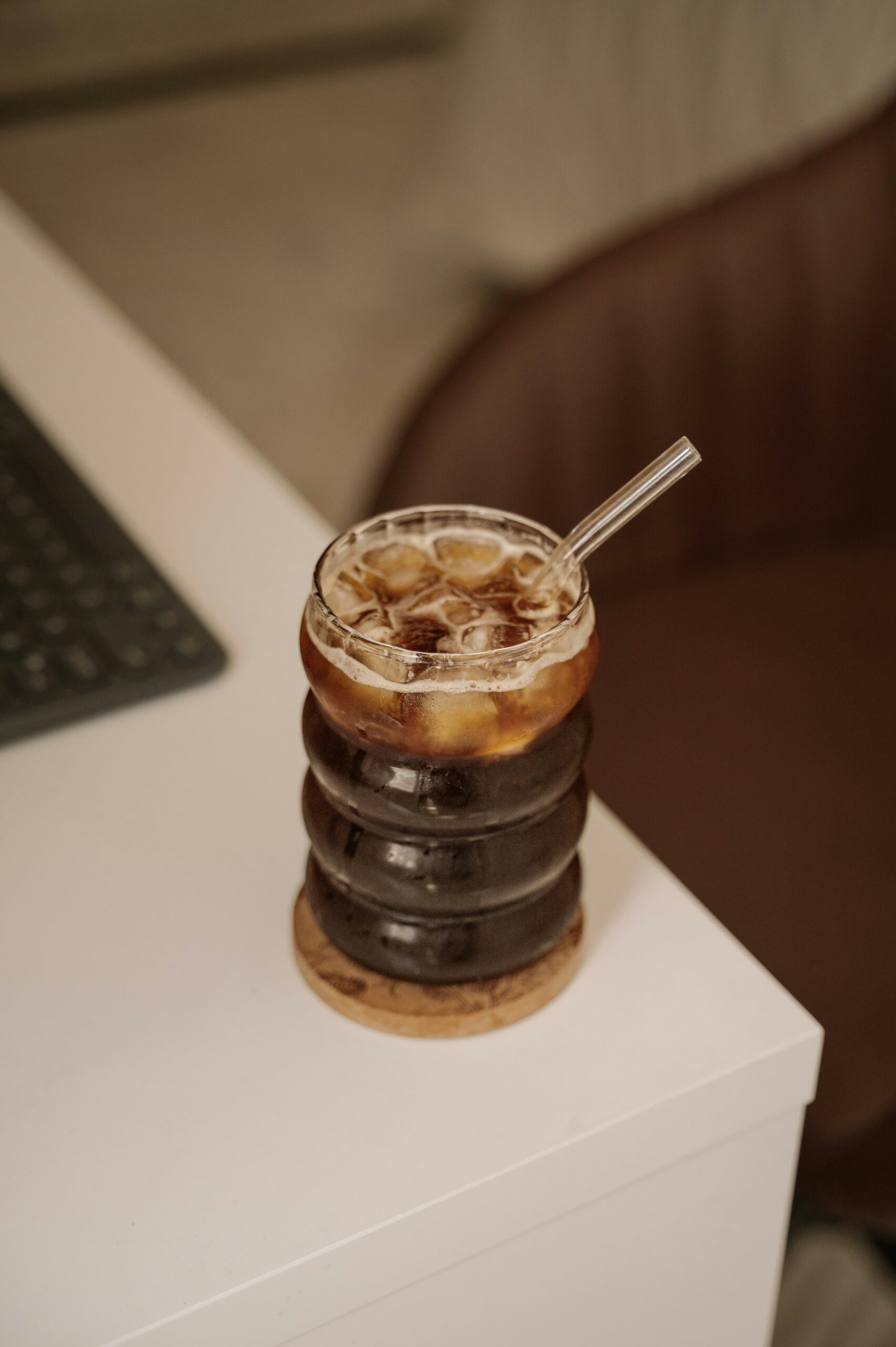
Willie’s Remedy+ is built around beverage-native behavior: crack a can, pour over ice, mix something you’d proudly hand to a friend.
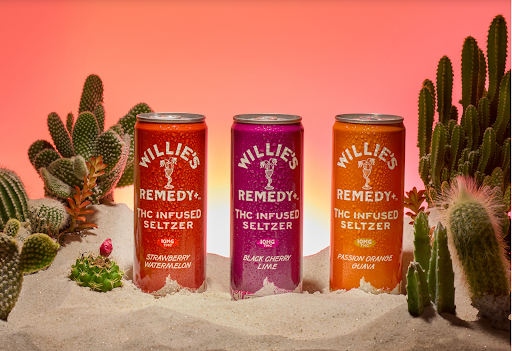
THC Seltzers: the pass-around option
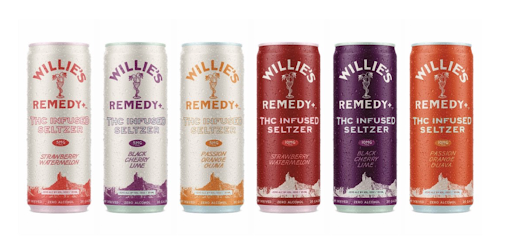
The brand’s THC seltzers are positioned as low-calorie, fruit-forward, and built for easy pacing. Flavors include Black Cherry Lime, Strawberry Watermelon, and POG (Passion Fruit Orange Guava).
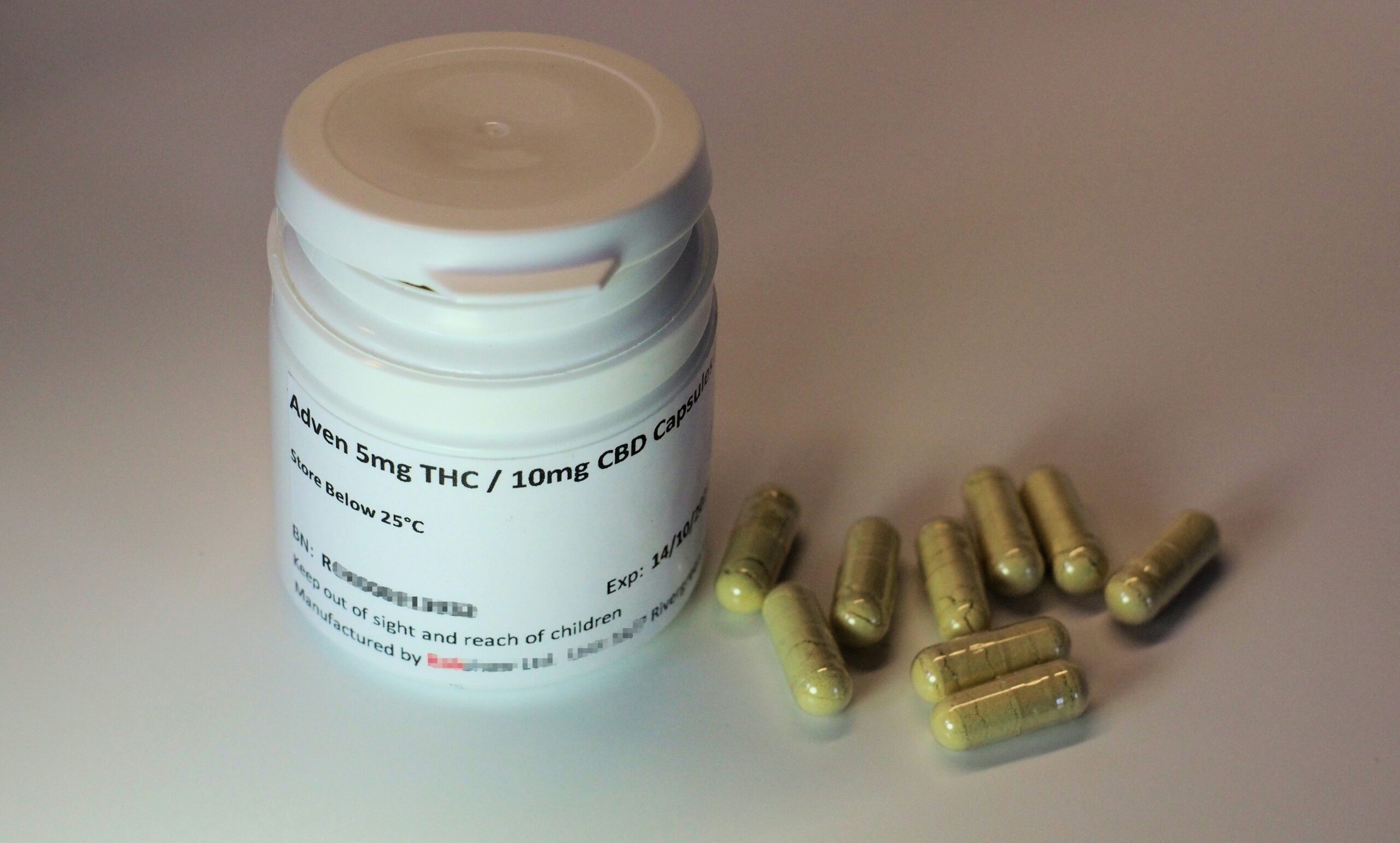
The 10mg variety pack lists a “stack” that includes THC plus CBD, CBG, and L-Theanine.
THC Spirits bottles & shots: the nightcap, rewritten
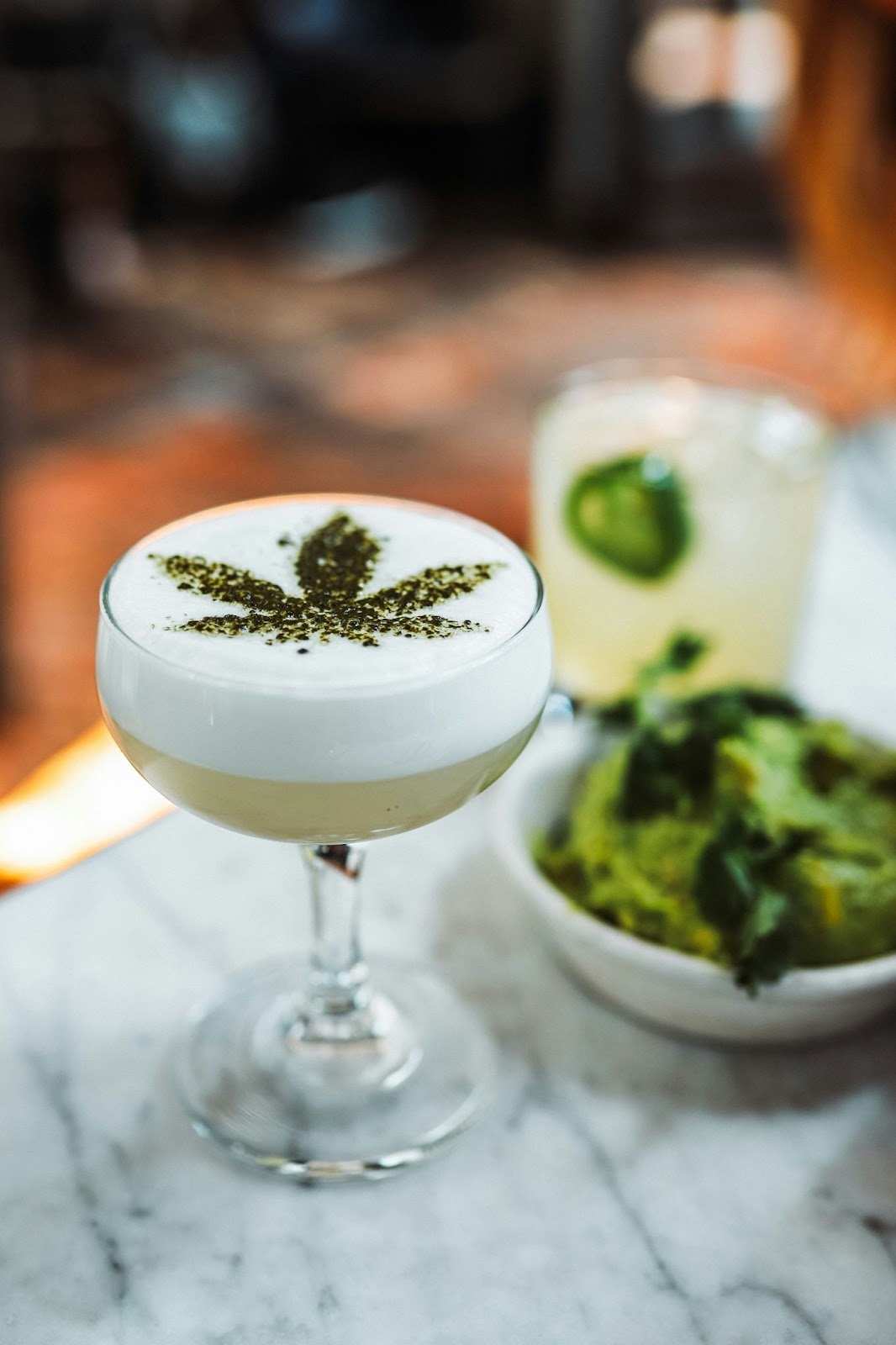
This is where Willie’s Remedy+ gets especially “party-script disruptive.” The 750ml bottle format is designed to behave like a spirit: measured pours, simple garnishes, and quick cocktail builds.
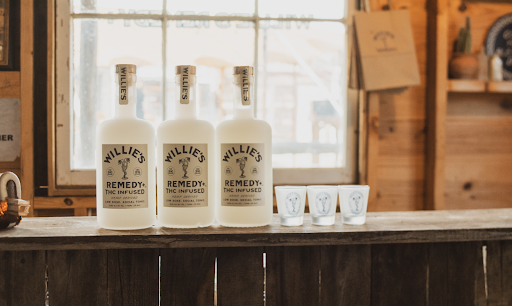
The brand’s “Learn More” page leans into the toast-ready tone with the line: “PEACE, LOVE AND A DAMN GOOD DRINK.”
It also frames the experience like a bar menu—“SHOOT IT,” “SIP IT ON ICE,” “MIX IT”—and describes activation time (15–30 minutes) and duration (~1.5 hours).
And the bottle isn’t just branding; it’s portion logic. The DrinkWillies “Learn More” page describes 1.5oz per shot and 17 shots per bottle.
Ingredient profile: what’s actually in it (and why that matters)
A lot of THC products win on novelty. Willie’s Remedy+ is clearly trying to win on feel: a “social buzz” positioned as smoother and more controlled than a chaotic edible experience.
On the brand’s homepage, Willie’s Remedy+ literally maps ingredients to intended vibe—THC “for euphoria,” CBD “for calm,” CBG “for clarity,” and L-theanine “for relaxation.”

Whether you interpret those labels as marketing language or product design, the concept is clear: balanced experience over brute potency.
For consumers (especially canna-curious newcomers), that’s not a small detail. A dose you can understand—paired with a format you already know—reduces friction. And friction is what keeps categories niche.
Willie’s Mojito (the “concert-to-cocktail” bridge)
If you want proof this is meant to be served, not stashed, look at the brand’s cocktail messaging around the Outlaw Music Festival.
Blackbird Presents (the tour producer) shared “Willie’s THC Mojito” as a featured serve using Willie Nelson’s THC Mojito ingredients:
- 1.5oz Willie’s Remedy+
- Fresh mint leaves
- ½ lime (juiced)
- 1 oz simple syrup
- Soda water
- Crushed ice
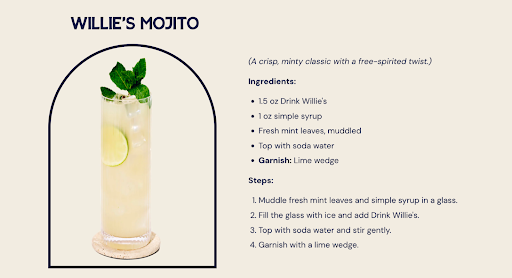
It’s a small thing—but it signals a big positioning choice: this isn’t “cannabis culture in a new wrapper.” It’s cocktail culture, rewritten.
A different kind of party culture is already here
The strongest case for THC beverages isn’t a slogan. It’s observation.
A lot of people now socialize in a way that would’ve sounded boring ten years ago—and feels luxurious today:
- Two drinks max, then water
- Early dinner, earlier bedtime
- A “hang” that doesn’t require recovery time
And brands that understand this don’t shame alcohol or preach wellness. They offer a new default.
Willie’s Remedy+ is also showing up where the culture already is: it became the official cannabis drink sponsor of the 2025 Outlaw Music Festival Tour, with the tour announcement describing the product as a hemp-derived, low-calorie, low-sugar alternative to alcohol and calling out the lemon-lime + passionfruit flavor profile.
That’s smart PR: instead of trying to manufacture relevance, it plugs the product into a real-world ritual Willie’s audience already has—music, community, celebration.
Key takeaways
- Willie’s Remedy+ is positioned as a social tonic, not a stoner flex.
- The format shift (cans + pours) makes THC feel more dinner-party than dorm-room.
- The brand emphasizes measured servings, with a clear “shot” format and bottle math.
- The “stack” (THC + CBD + CBG + L-theanine) is designed around a balanced experience.
- Timing is framed as 15–30 minutes onset and ~1.5 hours duration, aiming for predictability.
Willie’s move away from smoking (breathing concerns) makes beverages feel like a natural evolution rather than a gimmick.
THC beverages are sprinting toward the mainstream, and a few brands will define what “normal” looks like in the category. Willie’s Remedy+ has a rare advantage: Willie Nelson is a cultural anchor in cannabis, and the product is packaged like it belongs in the real world—at a show, at a dinner party, or on ice at the end of a long week.
You don’t have to light up to raise one.
Written in partnership with Tom White